
A short history of the cookie
From hard travel biscuits to the chocolate chip cookie: the key moments, the word's journey, and where big, soft cookies like ours fit in.
Cookies grew out of something much plainer: hard, dry biscuits that travelled well. Sugar made them sweet, creaming butter and sugar made them the cookie we know, factories made them everyday, and in the 1930s a Massachusetts innkeeper chopped a chocolate bar into her dough and made the first chocolate chip cookie. Here is the short version, with the dates.
Where did cookies come from?
From travel food. Hard, dry wafers have been baked for as long as anyone has written down how to bake, partly because they kept and travelled so well. They were not sweet enough to count as cookies by today's standards.
Sweet cookies came with sugar. They are often said to have begun in Persia in the 600s, once sugar became common there, and to have reached Europe through Muslim Spain, although historians dispute the Persian start. By the 1300s, small sweet cakes were eaten across Europe, from royal kitchens to street sellers. In the 1500s, gingerbread figures were made at the court of Elizabeth I in the likeness of her guests.
Why is a biscuit called a biscuit?
Because the first ones were baked twice. The word comes from Latin, bis and coctus, by way of French: twice-cooked. Early biscuits were baked and then dried out in a slow oven, which is why they lasted. That is the idea "biscuit" still carries in Australia: dry, firm, and happy in a tin.
How did the word cookie reach English?
Through the Dutch. A koekje is a "little cake". Dutch settlers took the word to New Amsterdam, the town that became New York, in the late 1620s. The earliest American mention of cookies is from 1703, and by 1808 "cookie" appears in American English for a small, flat, sweet cake. What is a cookie biscuit? covers cookie and biscuit in Australian terms.
When did cookies become an everyday food?
In two steps. First, the method: the modern cookie, made by creaming butter and sugar together, became common in the 1700s. Then the factory: the Industrial Revolution in Britain turned biscuits into a product for everyone, and the decorative biscuit tin, invented in 1831, carried them around the world.
Who made the first chocolate chip cookie?
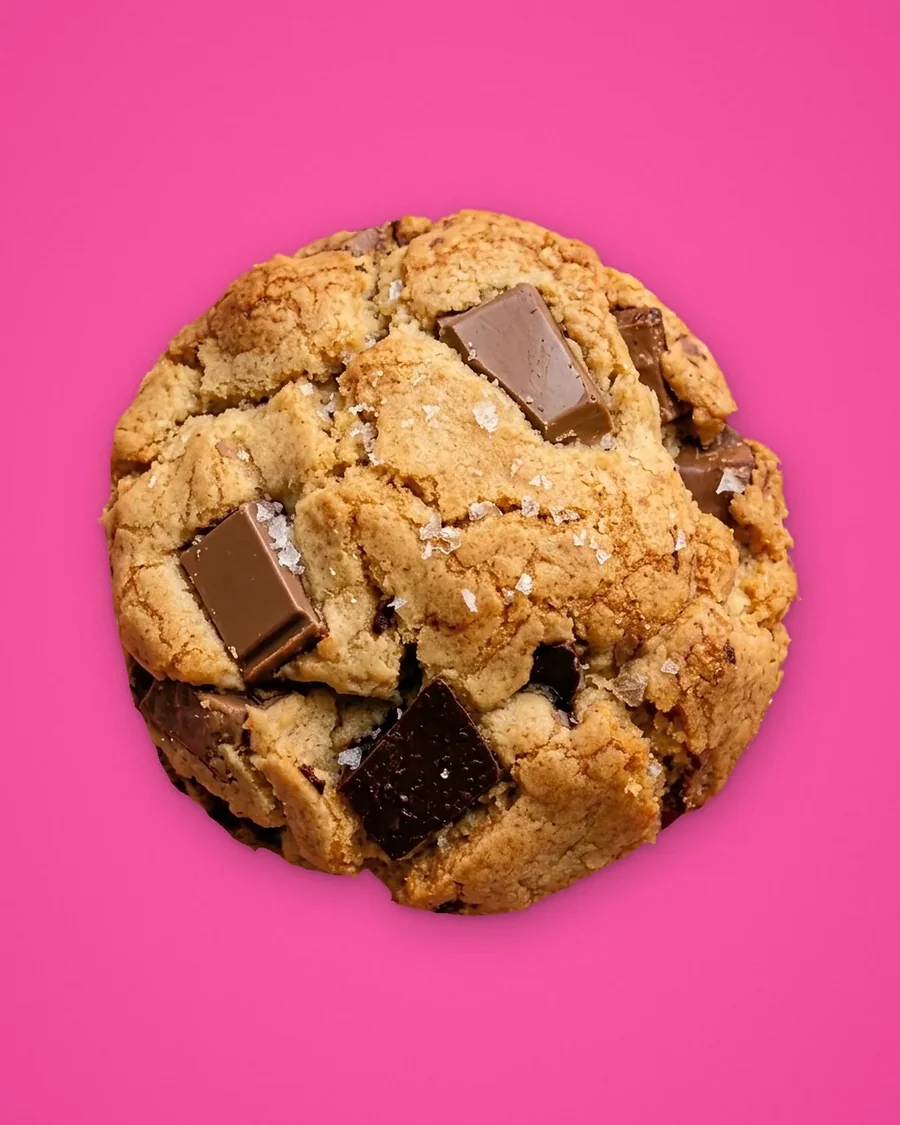
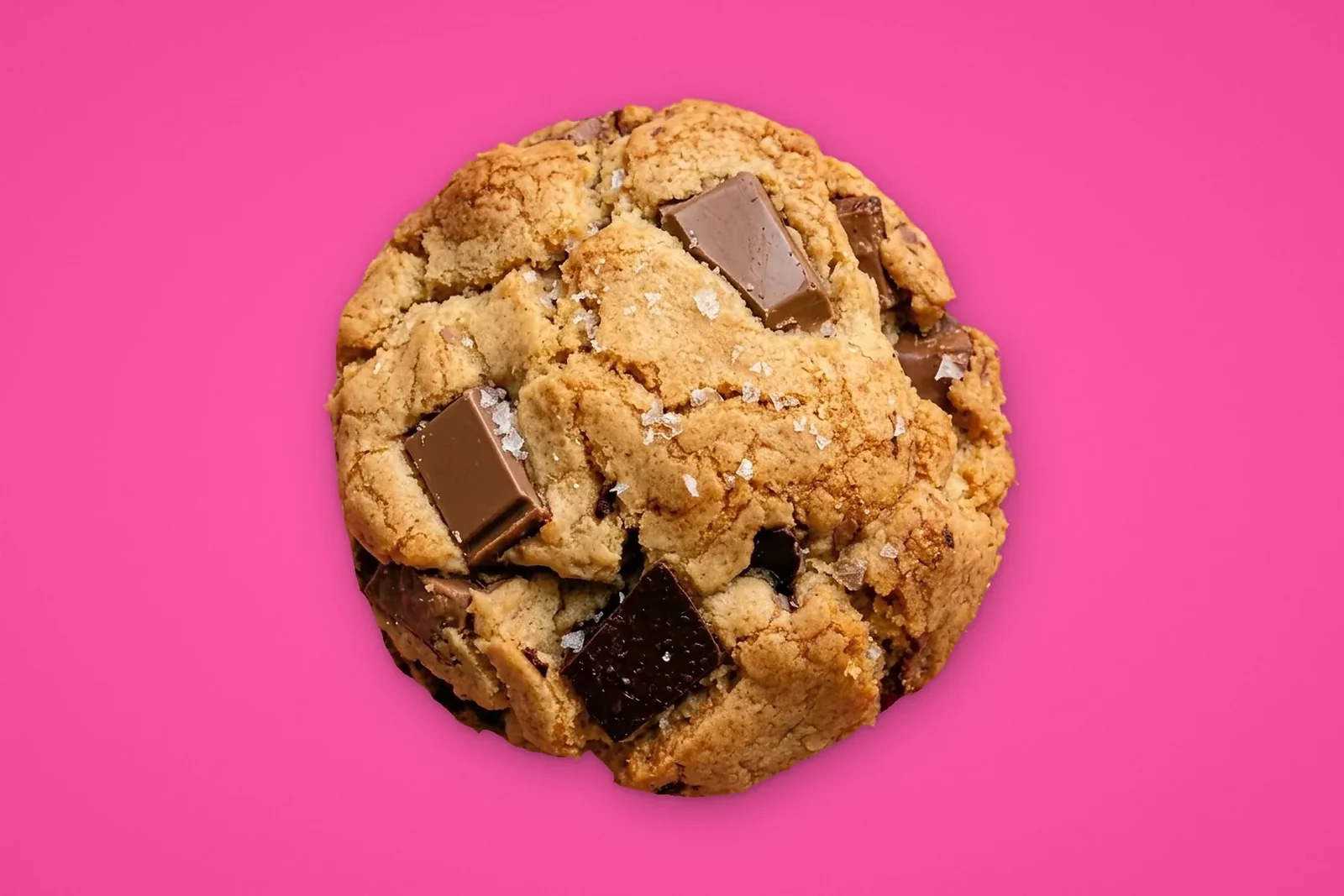
Ruth Wakefield, who ran an inn with her husband in Whitman, Massachusetts, is generally credited with it in the 1930s, although versions existed before hers and sources disagree on the year. The detail worth knowing: she did not use chips. She chopped a bar of chocolate into pieces.
The recipe went into her 1938 cookbook, and by February 1939 Boston newspapers were calling them chocolate chip cookies. From about 1940 a chocolate maker printed the recipe on its packaging, and during the Second World War, advertising promoted baking them as a patriotic act.
The first chocolate chip cookies had chunks, in other words. Chocolate chunks or chips? explains what that does to a cookie.
The cookie in ten dates
| When | What happened |
|---|---|
| As far back as baking is written down | Hard wafers baked to keep and to travel |
| The 600s (disputed) | Sweet cookies said to begin in Persia, once sugar became common |
| The 1300s | Small sweet cakes eaten across Europe |
| The 1500s | Gingerbread figures at the court of Elizabeth I |
| Late 1620s | Dutch settlers bring koekje to New Amsterdam |
| 1703 | The earliest American mention of cookies |
| The 1700s | Creaming butter and sugar makes the modern cookie |
| 1808 | "Cookie" written down in American English |
| 1831 | The decorative biscuit tin, as British factories make biscuits for everyone |
| The 1930s | Ruth Wakefield chops a chocolate bar into her dough |
Where do big, soft cookies like ours fit in?
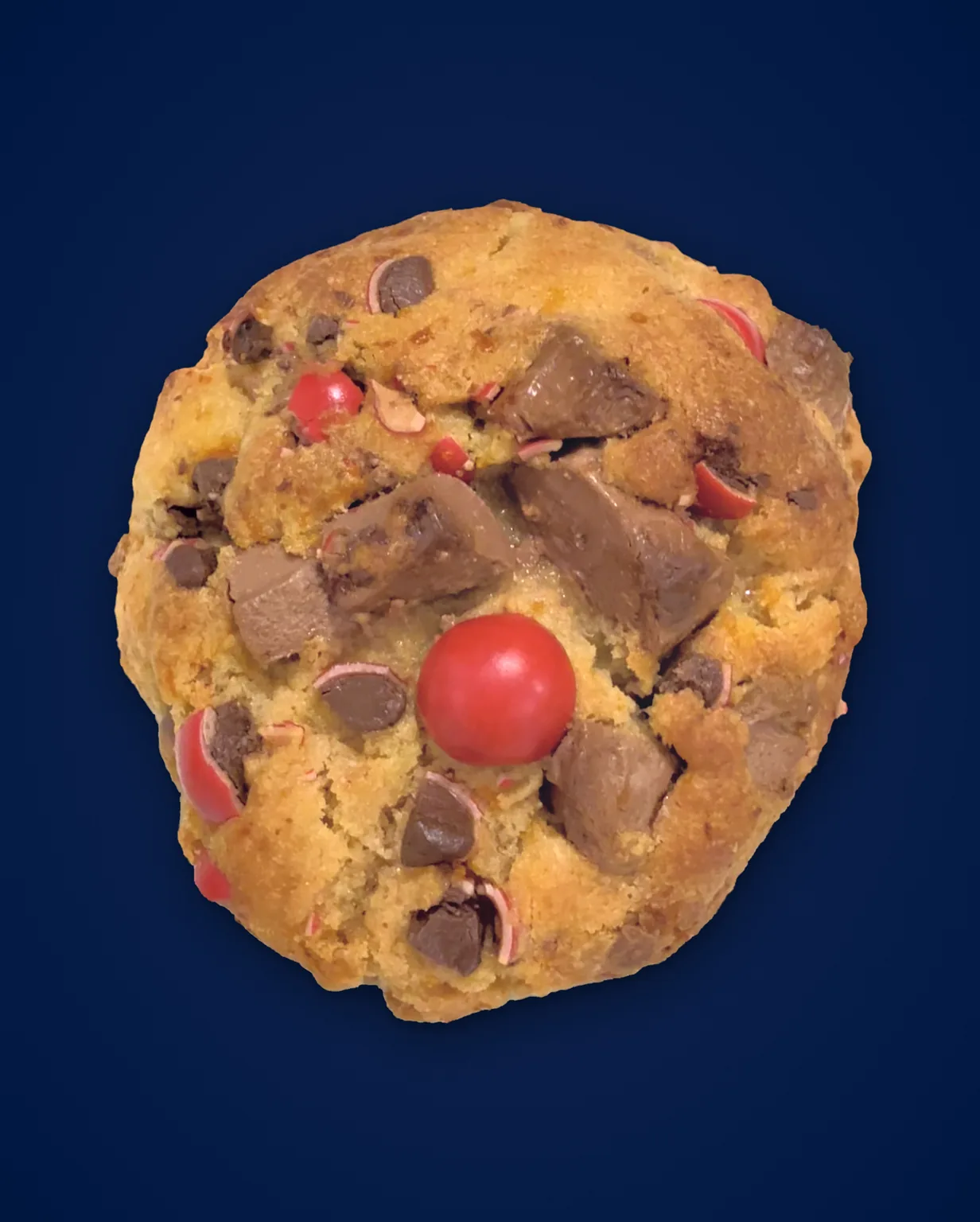
At the far end of that line. Ours are the big, gooey kind, with the chocolate in chunks: closer to Ruth Wakefield's chopped bar than to a tin of factory biscuits. The style they come from is the New York-style cookie, thick and soft in the middle; what is a New York-style cookie? covers it.
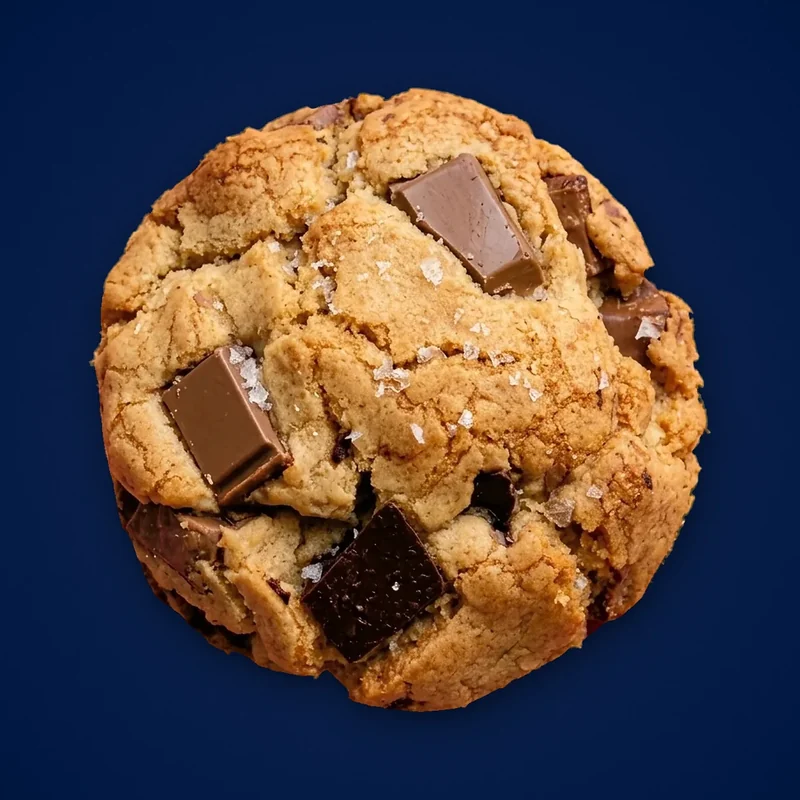
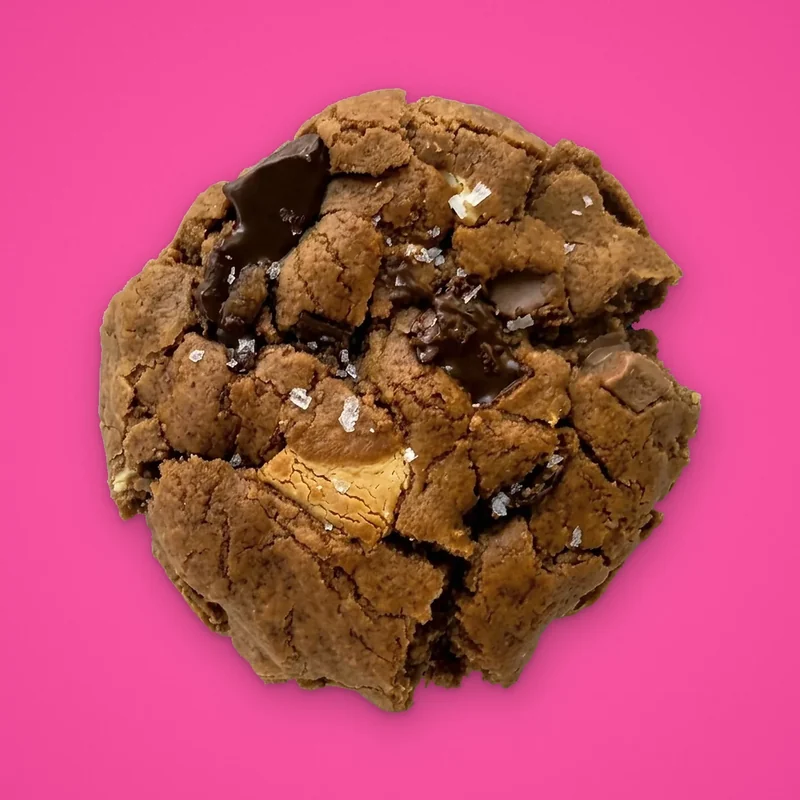
What we add is method. The butter is browned first, the dough rests two days in the fridge, and it goes into the oven cold, so the cookie stays thick.
How we fit in
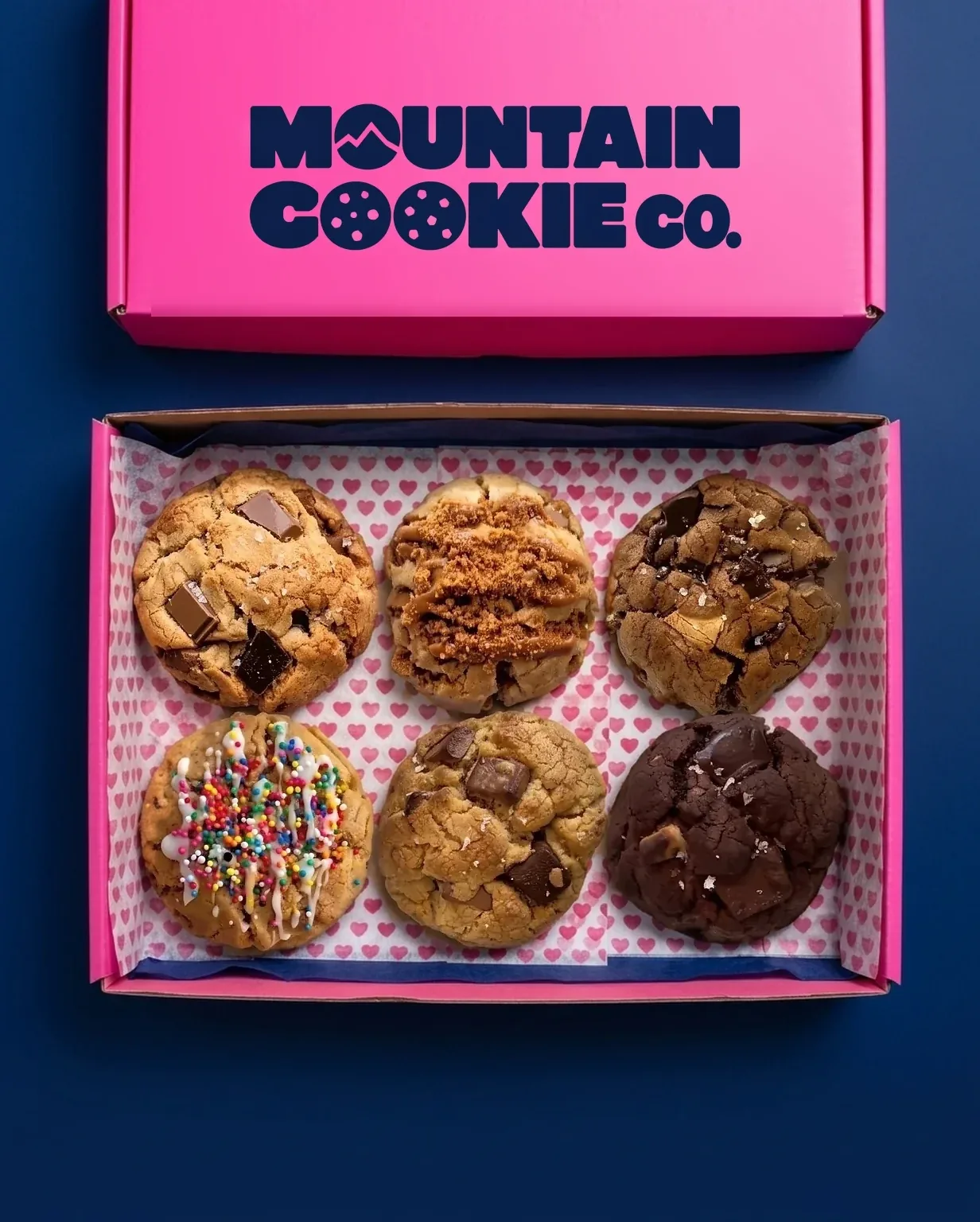
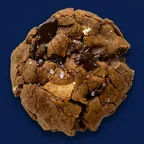
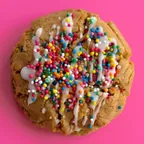
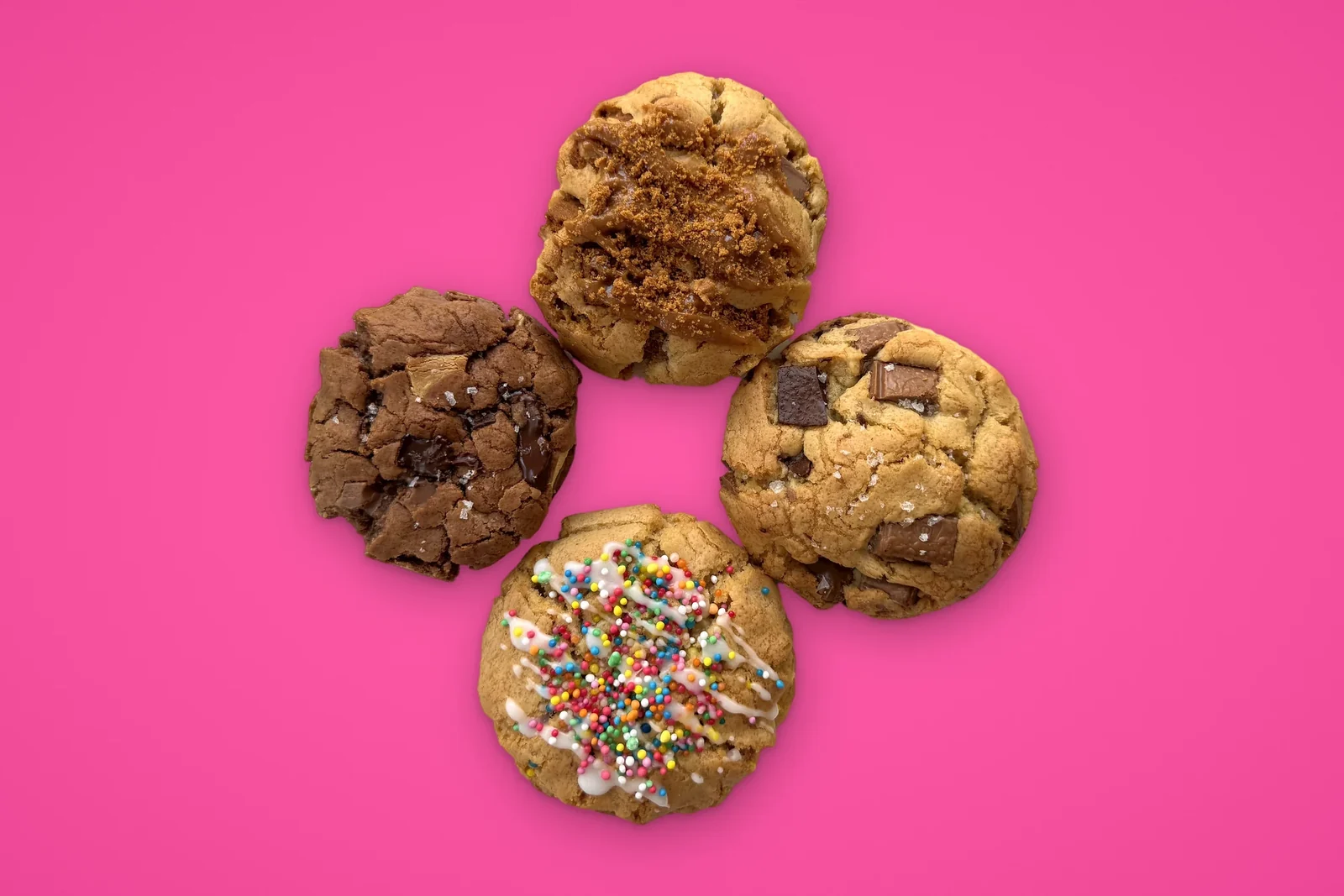
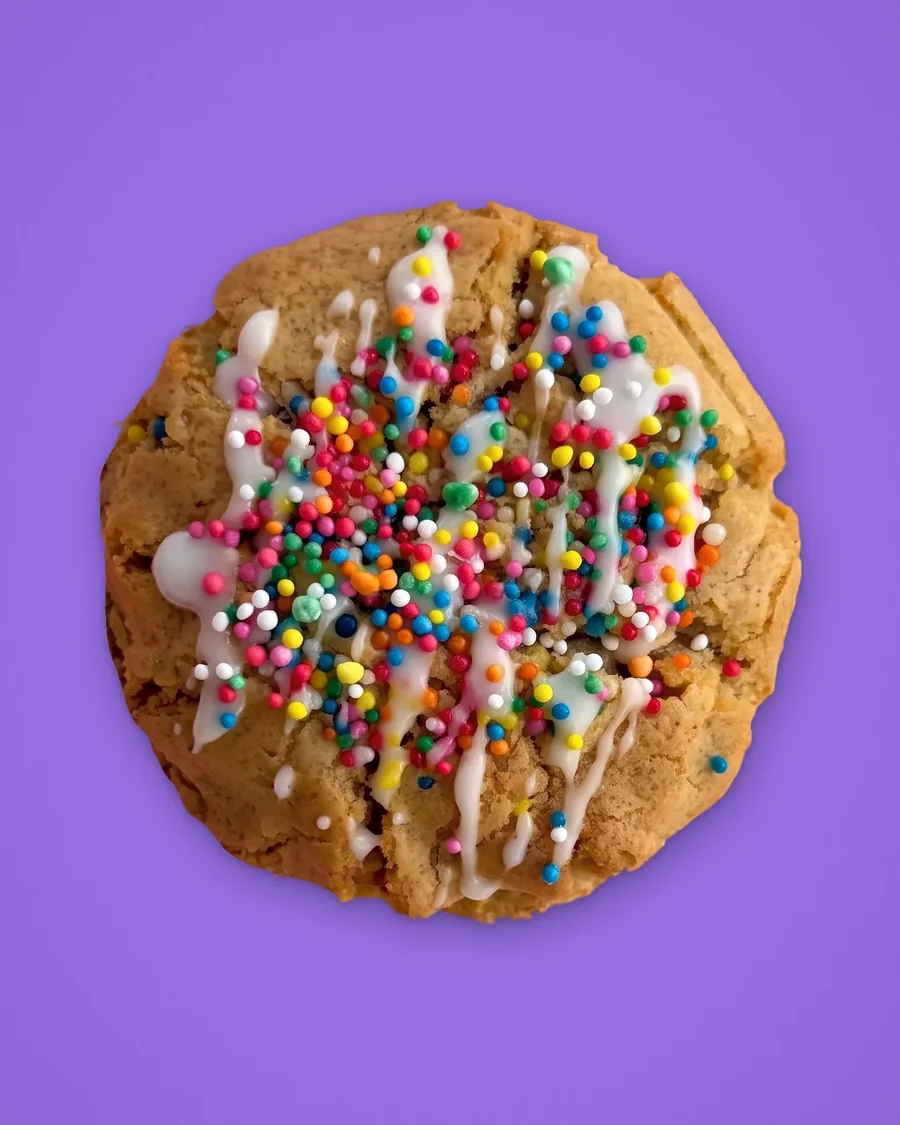
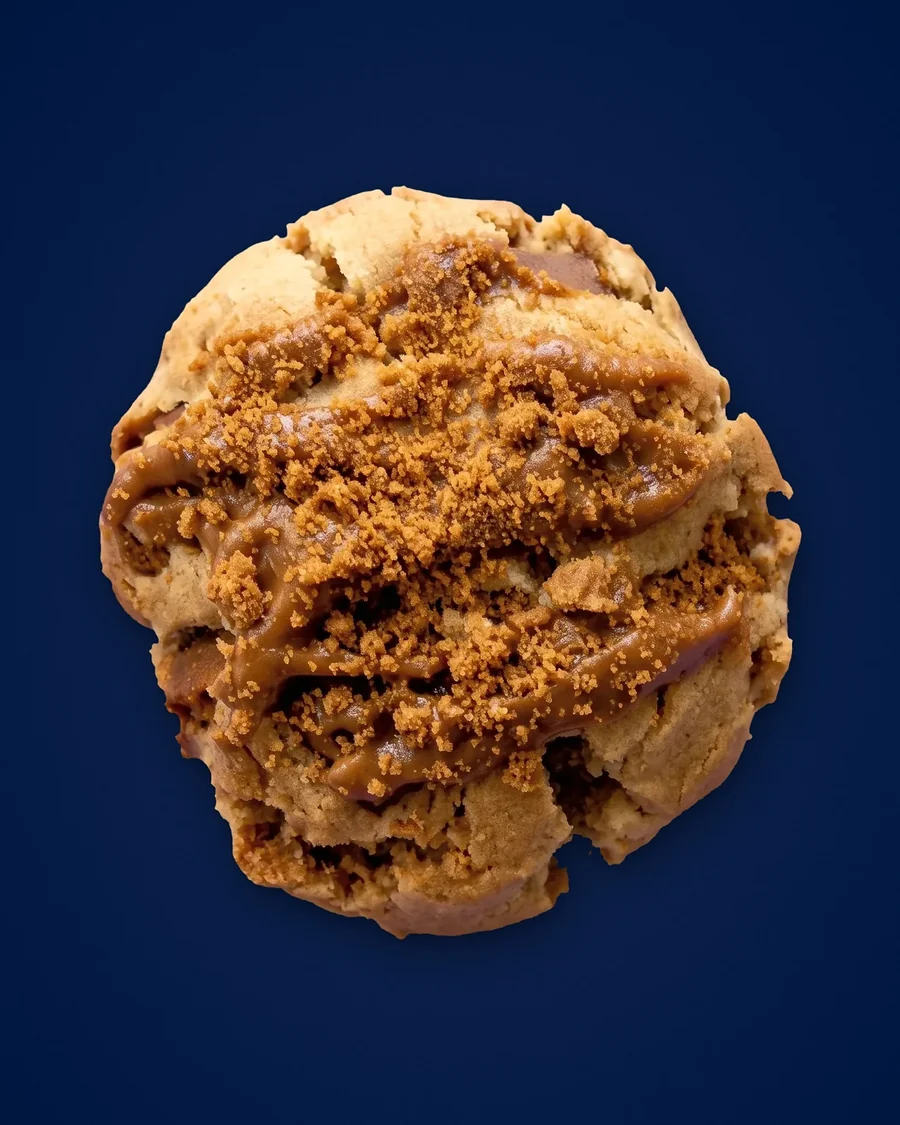
We bake big, gooey cookies with browned butter and a dough that rests two days in the fridge before it goes into the oven cold, with the chocolate in chunks, as the first chocolate chip cookies had it. Four flavours are always on, The OG, Biscoff®, Triple Chocolate and Birthday Cake, plus two specials each fortnight. Baked in the Blue Mountains and delivered fresh to your door. Order by Tuesday 6pm (Monday 6pm if your box goes by Express Post) in the shop, and the cart shows the day it arrives.
Sources, read 14 November 2026: Wikipedia, Cookie (edited 8 November 2026); Wikipedia, Chocolate chip cookie (undated); Etymonline, cookie (undated).

Questions answered
Who invented the cookie?
Nobody single-handedly. Hard, dry baked wafers go back as far as baking has been written down, and sweet cookies followed once sugar became common. They are often said to have started in Persia in the 600s, though historians dispute it.
When did the first chocolate chip cookie appear?
In the 1930s. It is generally credited to Ruth Wakefield, who ran an inn in Massachusetts and chopped a bar of chocolate into her dough. The recipe appeared in her 1938 cookbook, and Boston newspapers were calling them chocolate chip cookies by 1939.
Where does the word cookie come from?
From the Dutch koekje, 'little cake'. Dutch settlers took it to New Amsterdam, later New York, in the 1600s, and it appears in American English by 1808.
Why is a biscuit called a biscuit?
The word comes from Latin by way of French and means 'twice-cooked'. Early biscuits were baked and then dried out in a slow oven, so they kept and travelled well.
Keep reading
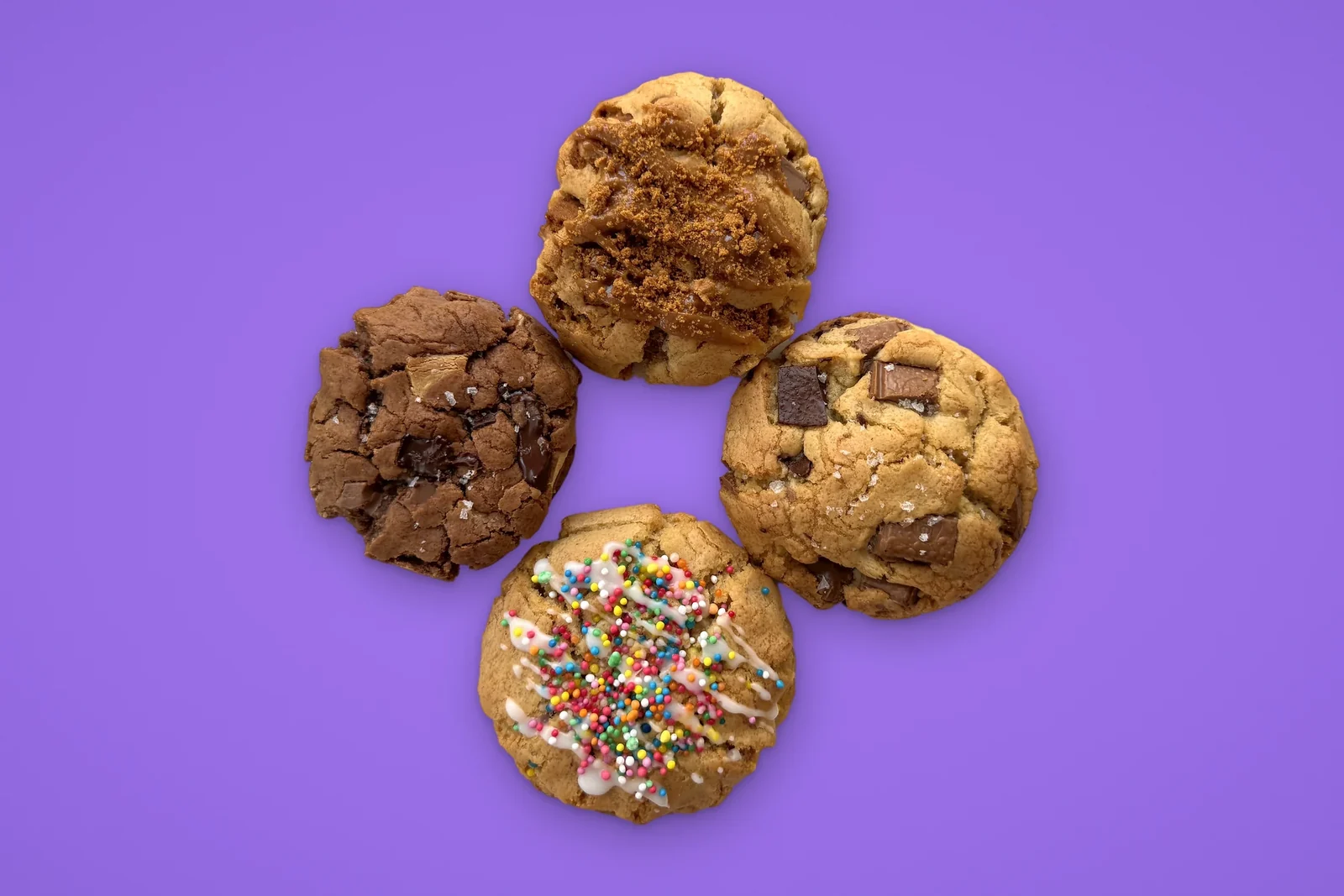 What is a cookie biscuit? Cookie vs biscuit in Australia, explainedCookie vs biscuit in Australia: a cookie is a sweet biscuit, high in sugar and fat. Biscuit usually means the crisp kind and cookie the big, soft, chewy kind. Here is how to tell them apart.14 November 2026
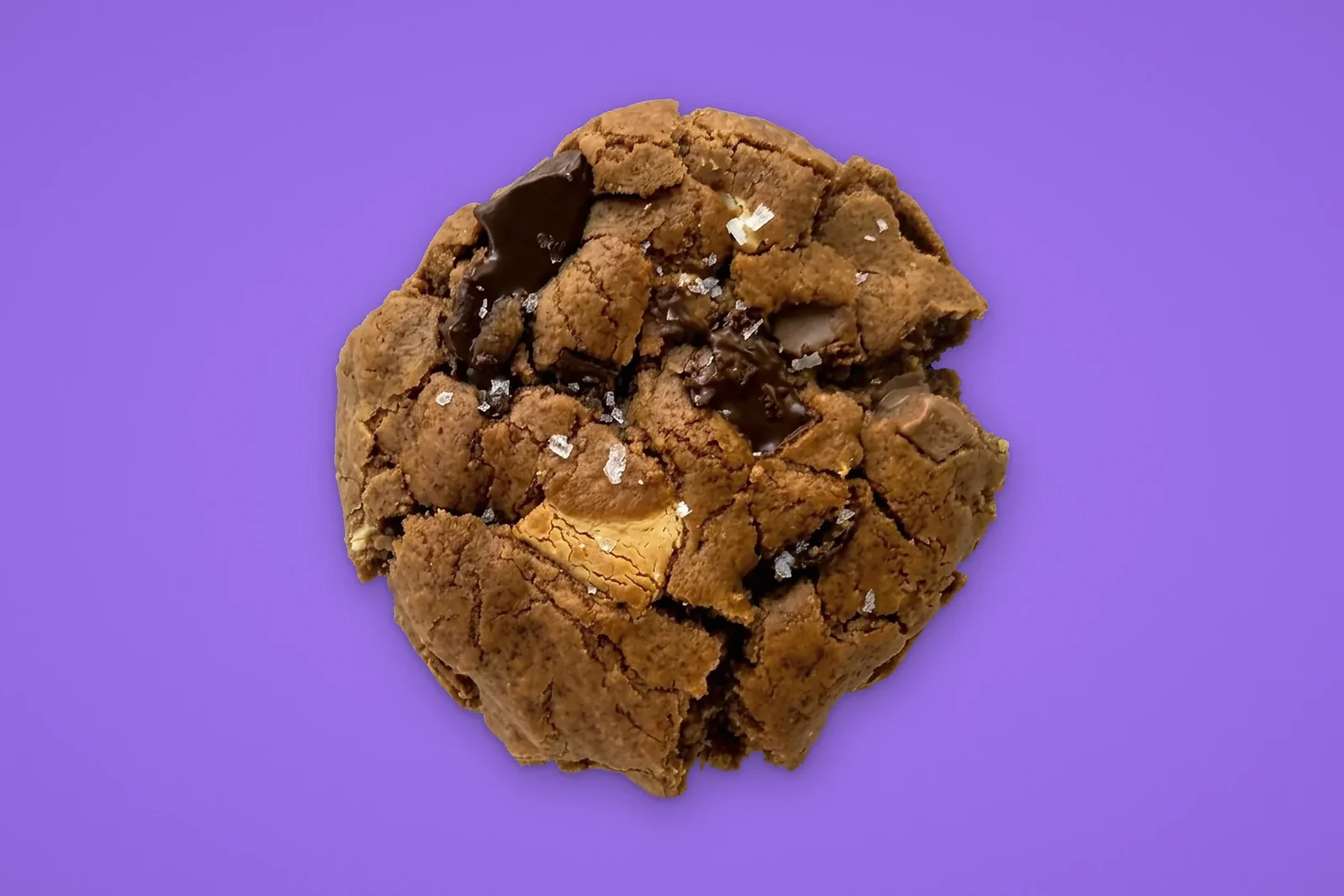 Chocolate chunks vs chips: what the difference does to a cookieChocolate chips are made to hold their shape in the oven; chunks melt into soft puddles. What the difference does to a cookie, and why every chocolate in ours comes in chunks.14 November 2026
 What is a New York-style cookie?Big, thick, crisp at the edge and gooey in the middle. What makes a New York-style cookie, where the style comes from, and how ours fit it.14 October 2026